Pipe Connection Fittings
Nipples, elbows, tees, plugs, locknut and 45° pipe connection fittings.
9 products · 69 variants
What are pipe connection fittings?
Pipe connection fittings join a hydraulic line to tube or equipment and seal with an O-ring seated in a flat face (ORFS — O-Ring Face Seal). The thread only clamps the two faces together; because the O-ring carries the seal, this is the most reliable connection under high vibration and pressure. It is the standard choice on construction and mobile hydraulics.
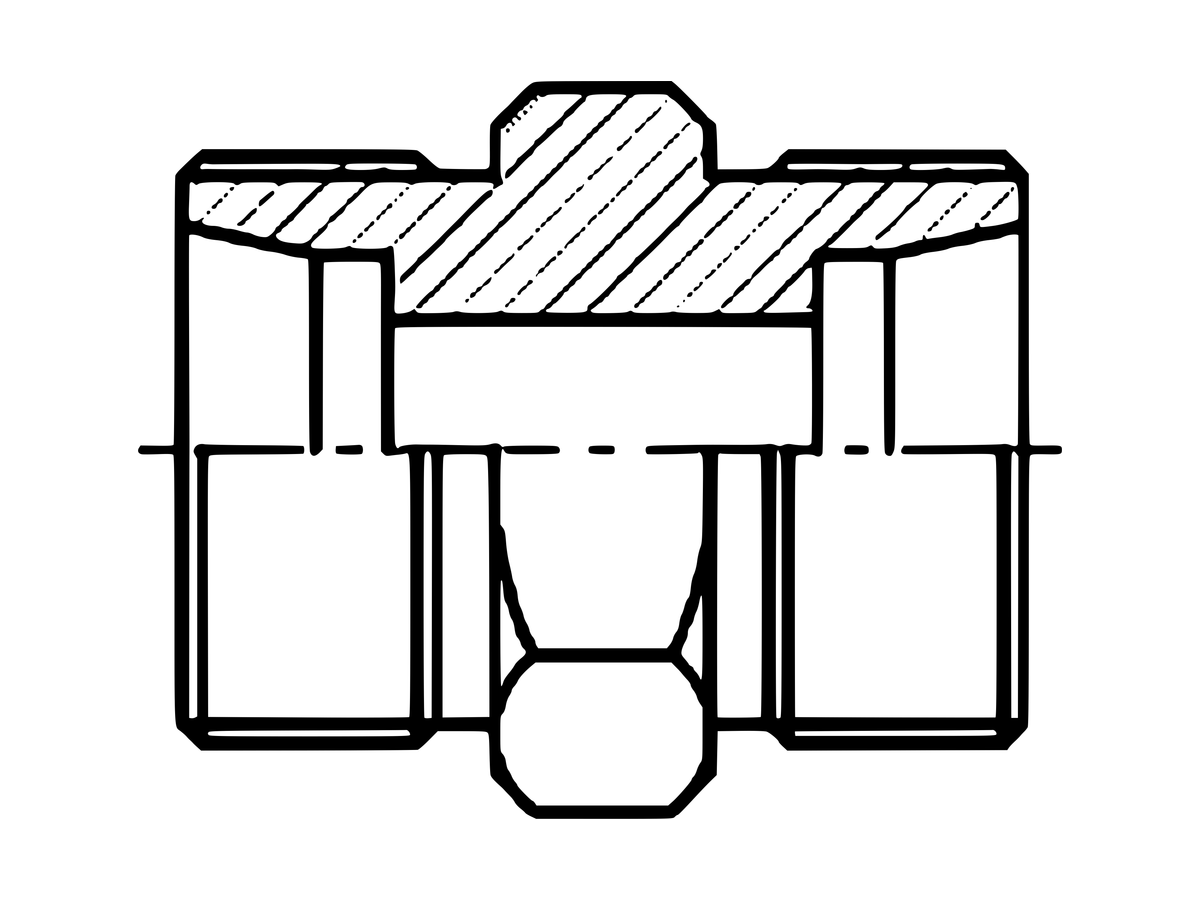
ORFS Nipple (BSP)
Straight nipple fitting transitioning from BSP pipe thread to ORFS. O-ring face seal for leak-free connections in high-pressure hydraulic lines.
Details & Table →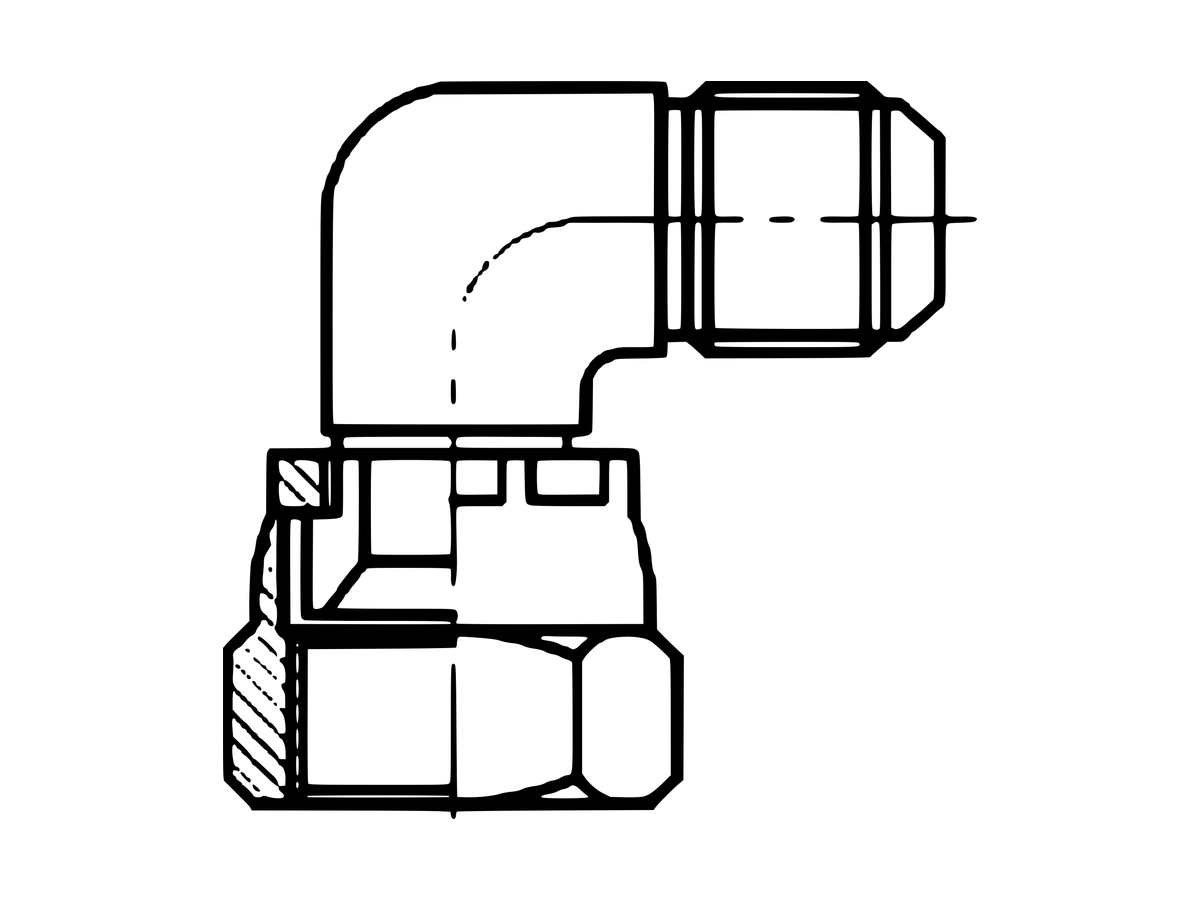
ORFS Reverse Nipple (BSP)
Reverse transition nipple between BSP pipe thread and ORFS, used to connect different thread sizes.
Details & Table →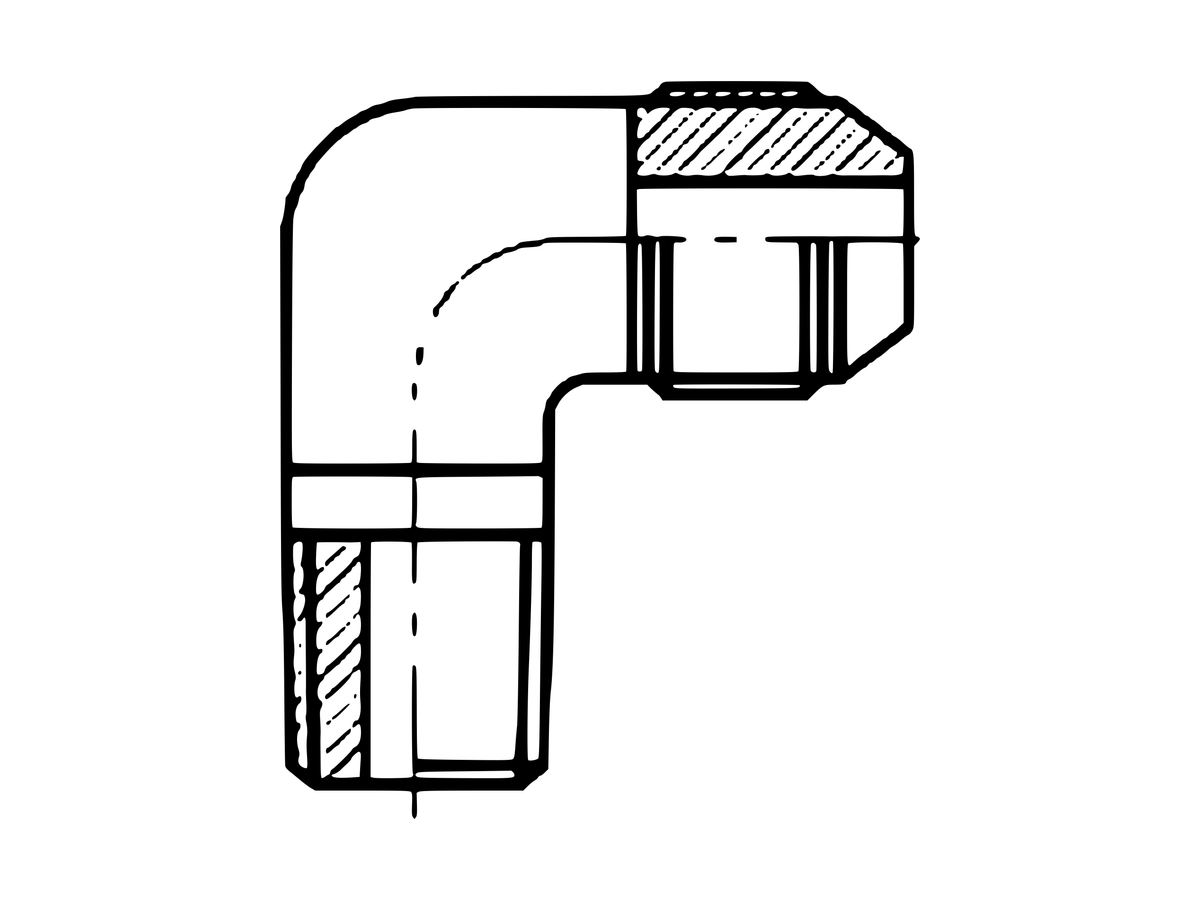
ORFS Male Elbow
90° ORFS male elbow fitting, ideal for routing hydraulic lines in tight spaces.
Details & Table → ORFS Reverse Elbow
90° ORFS reverse (female) elbow fitting with O-ring face seal.
Details & Table →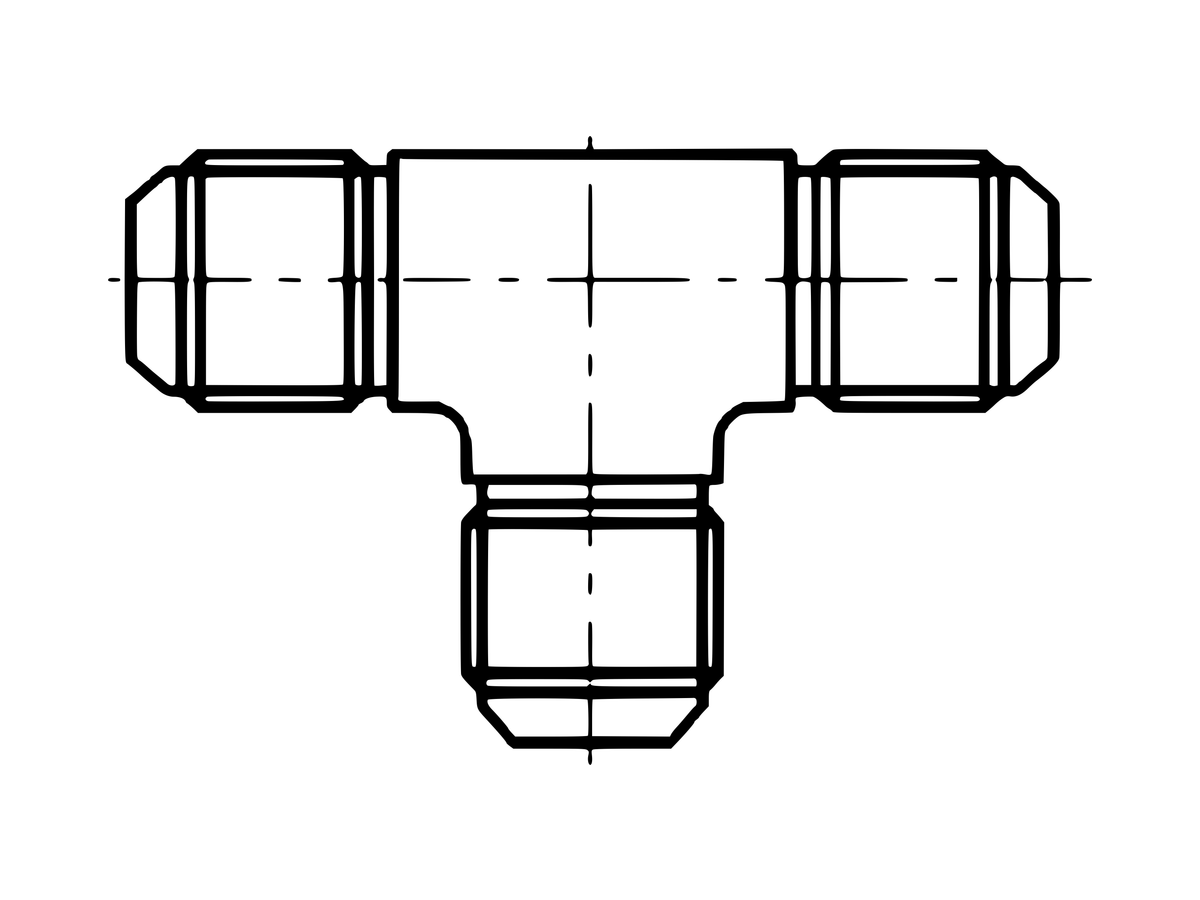
ORFS Male Tee
Three-way ORFS male tee fitting for splitting a hydraulic line in two directions.
Details & Table → ORFS Branch Tee
Side-branch ORFS tee fitting providing a take-off from the main line.
Details & Table → ORFS Run Tee
Center-branch ORFS run tee fitting with a perpendicular take-off.
Details & Table →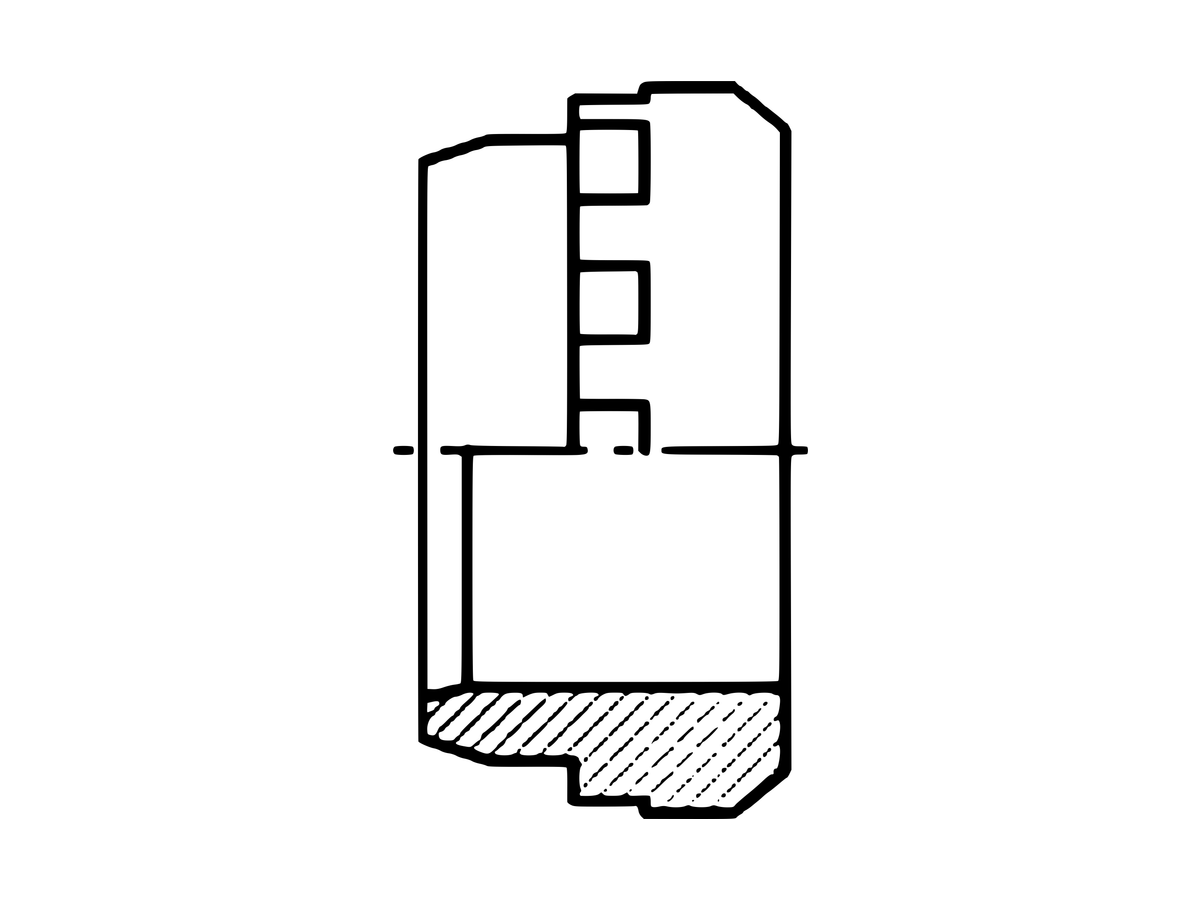
ORFS Blind Cap (Nut)
ORFS female (nut) blind cap for sealing unused ORFS ports.
Details & Table →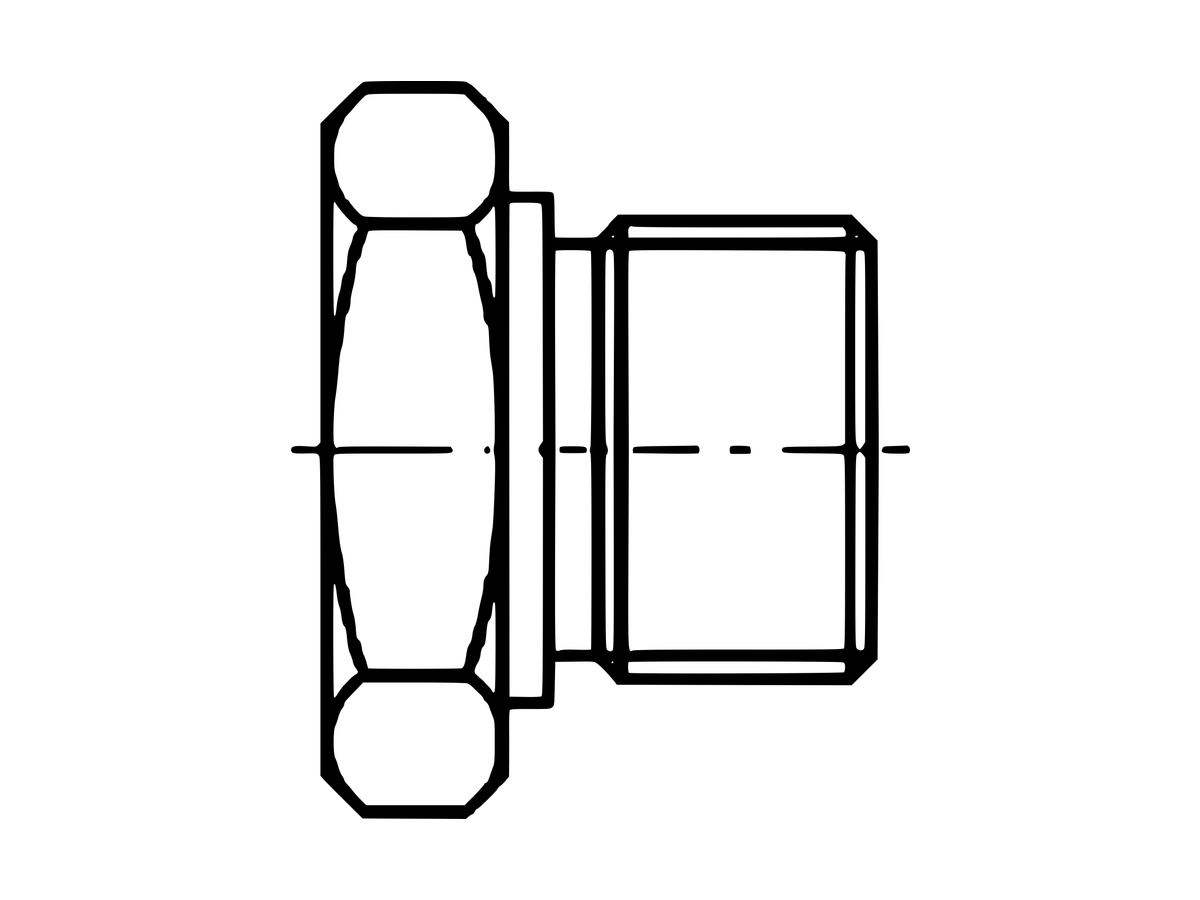
ORFS Male Plug
ORFS male plug with O-ring face for sealing unused ORFS female ports.
Details & Table →What to look for
- O-ring condition
- The whole seal depends on the O-ring. Cut, crushed or hardened rings must be replaced, and you must make sure the ring stays in its groove during assembly.
- Face cleanliness
- Scratches, burrs or dirt on the flat sealing face cause leaks directly. Clean both faces before assembly.
- Fluid compatibility
- NBR suits standard mineral oil; FKM (Viton) O-rings are required for high temperatures, bio-oils and special fluids.
- Vibration
- On vibrating lines ORFS lasts markedly longer than cone-seal connections, which is why it is standard on mobile equipment.
Frequently asked
Why choose an ORFS connection?
Because the seal is independent of the thread and cone contact, it is the connection least affected by torque variation and vibration. It also re-seals reliably after being opened.
How often should the O-ring be replaced?
Inspect it every time the joint is opened and replace it if deformed, hardened or cut. Periodic replacement is advised on hot-running lines.
Can an ORFS fitting be used on another standard?
Not directly. Use an ORFS-to-BSP or ORFS-to-metric adapter nipple to connect to equipment built to a different standard; these are listed in our catalogue.